



Tunnel Butt Plugs


What to look for in a tunnel butt plug
Tunnel width and insertable length
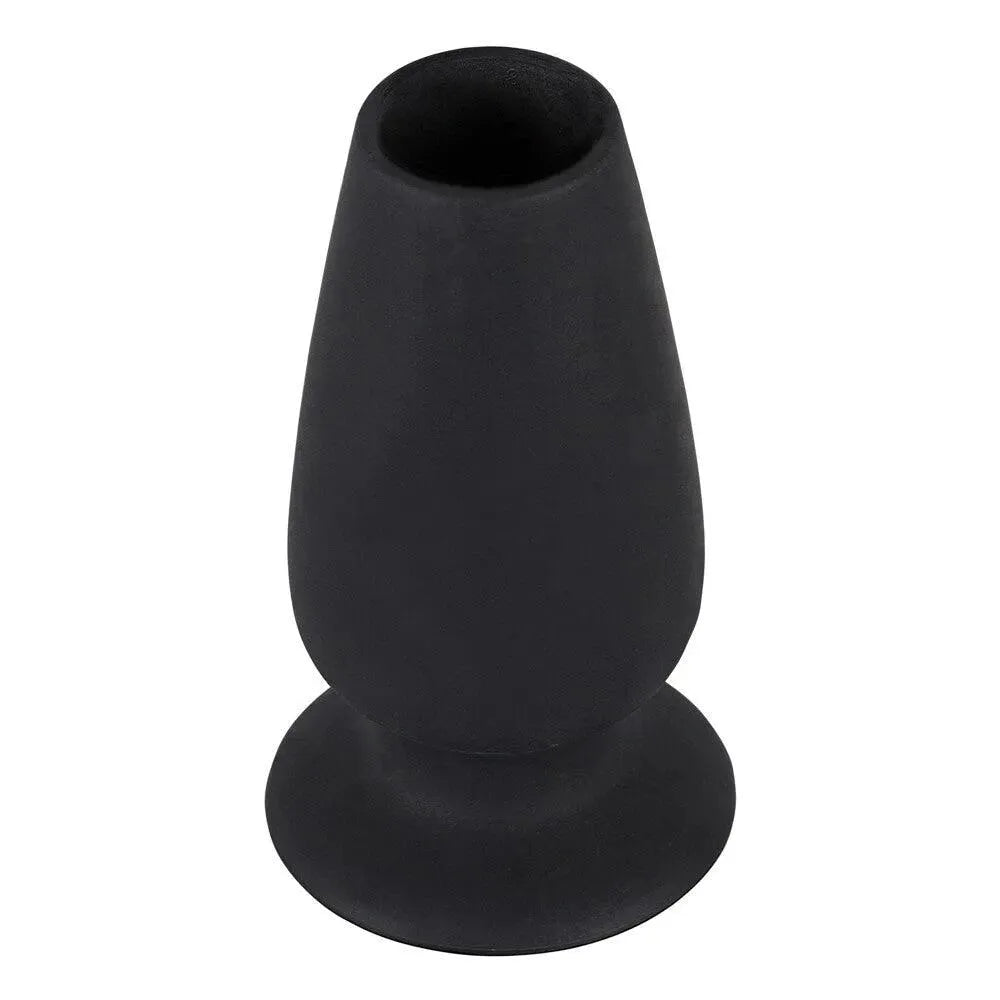
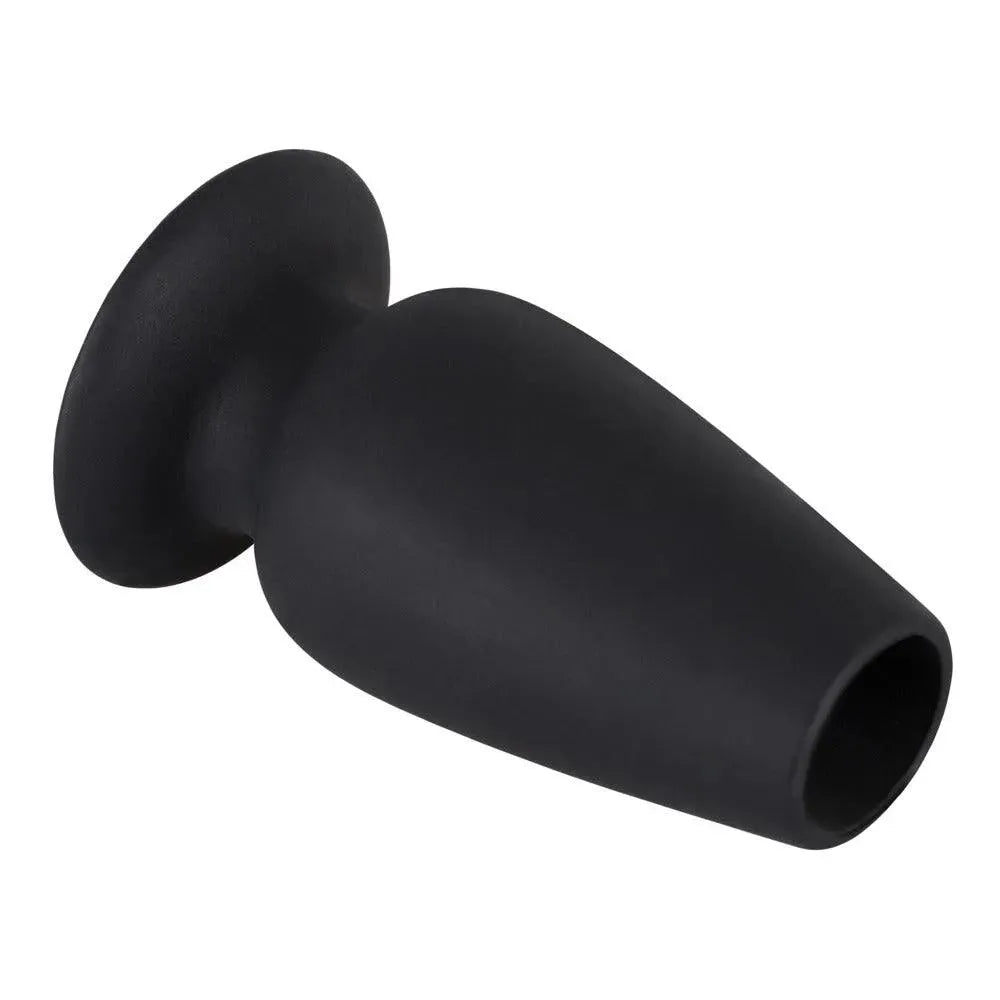
The tunnel opening is what defines the gape — a wider channel means more visible access and more room for insertion through the centre. Smaller openings suit people newer to this type of plug and still give a clear visual. Insertable lengths here range from short and shallow through to longer designs that sit deeper. Think about what you're actually using the tunnel for — visual only, finger access, or something more — and match the opening size to that.
Material
Clear, flexible materials like TPE and rubber are the most common here — transparency is a big part of the appeal since it lets you see through the tunnel. Silicone options are firmer and more durable, though usually not transparent. Glass tunnel plugs are the most firm option — borosilicate glass holds its shape completely, gives a clear rear-view window, and can be sterilised between uses. The material you pick depends on whether you want flex, visibility, or firmness.
Lube and preparation
Anal lube is essential — apply it generously to the outside of the plug before insertion. Anal-specific formulas are thicker and hold their position, which matters here since the tunnel itself stays open and dry inside. If you're using the tunnel for liquid retention, the lube goes on the exterior only. Preparation is especially important with tunnel plugs because the stretch required to insert the widest part is usually more than a standard plug of the same diameter — the walls are thicker to maintain the hollow shape.
When tunnel butt plugs make the most sense
These are built for specific kink scenarios. The open centre lets a partner see inside, insert fingers or slim toys through the channel, or use the tunnel for liquid-based activities. That combination of access and visual makes tunnel plugs a staple in BDSM contexts where control, exposure, and gaping are part of the dynamic.
They also work as a gaping and stretching tool. Wearing a tunnel plug holds you open at a fixed diameter, which is a different approach to stretch training than inflatable butt plugs (which expand gradually) or anal probes (which rely on thrusting movement). If maintaining an open gape is the goal, a tunnel plug is purpose-built for it.
Tunnel plugs vs standard butt plugs
A standard plug fills you up. A tunnel plug holds you open. That's the fundamental difference, and it means they serve completely different purposes. If you want passive fullness and internal pressure, a regular plug — whether that's from a butt plug set or a weighted stainless steel plug — is the right call. If you want access, visibility, or gaping, a tunnel plug does something nothing else in the range can.
These aren't beginner toys. The thicker walls and wider stretch on insertion mean tunnel plugs require more preparation and more lube than a solid plug of similar diameter. Make sure you're comfortable with standard plugs at a comparable size before stepping into tunnels.
Safe materials, plain packaging
Every tunnel plug here comes from a recognised brand — Perfect Fit, Master Series, Doc Johnson, PipeDream, and others. Glass models are borosilicate (the same material used in lab equipment), and silicone options are body-safe and non-porous. Full specs including tunnel diameter, insertable length, and material are listed on every product page.
Orders ship in plain, unmarked packaging — nothing on the outside identifies the contents. Same-day dispatch on orders before 2pm (Mon–Fri), free delivery over £50, and straightforward returns.
FAQs
Still deciding?
Browse everything from the homepage, or find answers fast in the Help Centre.

Trusted Products, Delivered Discreetly
Same-day dispatch before 14:30 (Mon–Fri). Plain boxes. Full tracking.
- Same-Day Dispatch
- Plain Packaging
- Tracked UK couriers
Click Here For More Information
Same day dispatch. Order before 14:30 (Monday to Friday) to ship the same day. You’ll get email updates at each step.
Delivery options. Choose what suits you best, including guaranteed weekend delivery.
Fully trackable. We send your tracking number as soon as your order leaves us.
Not going to be in? Divert your delivery to a nearby collection point.
Plain packaging only. No logos or product names on the box or label.
International shipping (EU). Enter your address at checkout for live options.
Full Delivery Info · Returns & Refunds · Discreet Experience
Same day dispatch. Order before 14:30 (Monday to Friday) to ship the same day. You’ll get email updates at each step.
Delivery options. Choose what suits you best, including guaranteed weekend delivery.
Fully trackable. We send your tracking number as soon as your order leaves us.
Not going to be in? Divert your delivery to a nearby collection point.
Plain packaging only. No logos or product names on the box or label.
International shipping (EU). Enter your address at checkout for live options.
Full Delivery Info · Returns & Refunds · Discreet Experience